


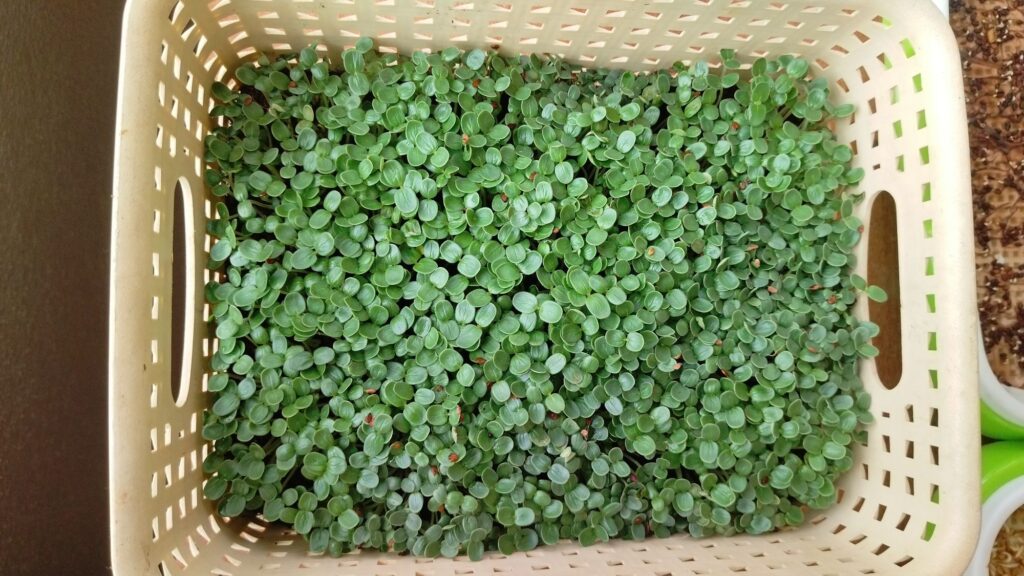
In the fast-paced world where concrete often overshadows green, finding simple and sustainable ways to connect with nature is essential for our well-being. Microgreens, the young seedlings of vegetables and herbs, offer a unique opportunity to blend gardening and gourmet experiences right in your kitchen. Here’s why growing and eating microgreens can be a small yet significant step towards a happier and healthier life.
A Burst of Nutrition
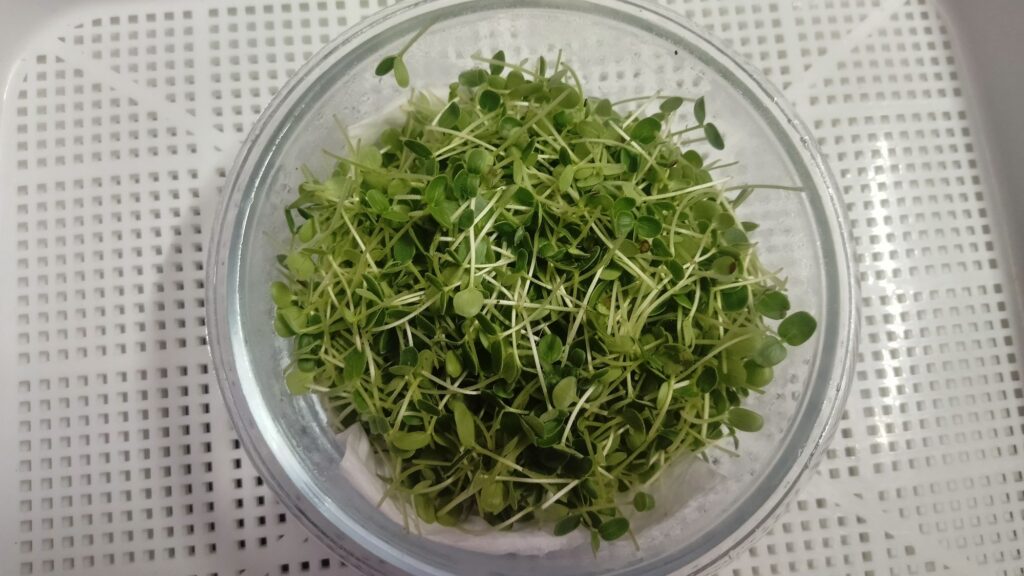
Microgreens are not only a visual delight with their vibrant colors and delicate textures, but they are also powerhouses of nutrition. Studies have shown that these tiny plants pack a nutritional punch, often containing higher vitamin, mineral, and antioxidant levels than their mature counterparts. For instance, red cabbage microgreens are known to have six times the vitamin C of mature red cabbage. Integrating microgreens into your meals can boost your health, enhancing your overall well-being and mood.
Therapeutic Gardening
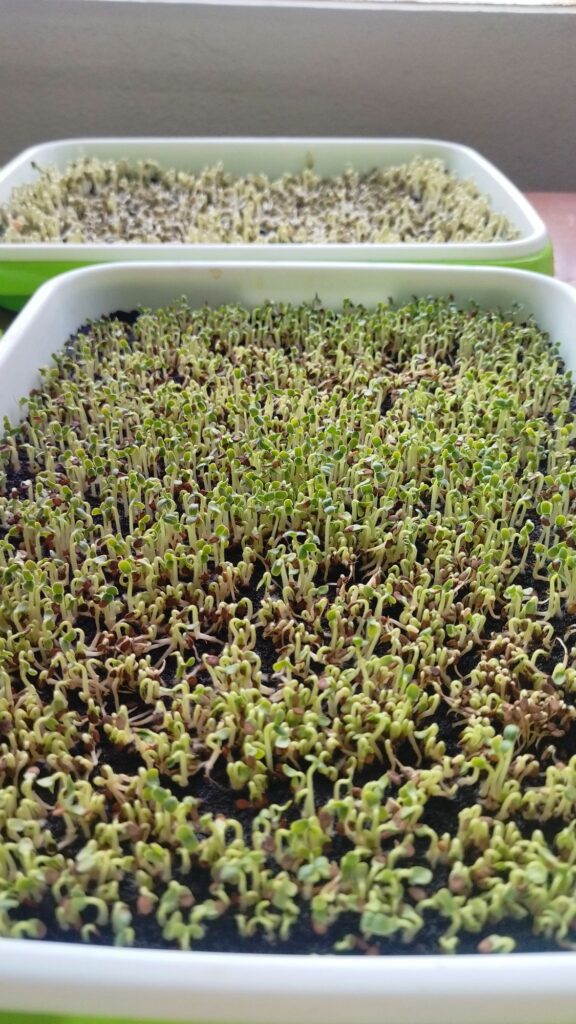
The process of growing microgreens is therapeutic. It doesn’t require a lot of space or tools, making it accessible to everyone, from apartment dwellers to those with sprawling gardens. The act of planting seeds and watching them grow is known to reduce stress, anxiety, and depressive symptoms. The connection to soil and life promotes mental clarity and mindfulness. This form of “petite” gardening can serve as a calming hobby that nurtures patience and attentiveness, qualities that are essential for a balanced lifestyle.
Culinary Creativity
Microgreens offer a fresh burst of flavor and texture to any dish, from salads and sandwiches to soups and smoothies. Their diverse range includes flavors like the peppery punch of radish, the subtle sweetness of pea shoots, and the spicy kick of mustard greens. This variety allows culinary enthusiasts to experiment and elevate their dishes, making everyday meals more exciting and nutritious. The joy of harvesting your greens and using them to create beautiful, tasty dishes can be incredibly satisfying and fulfilling.
Environmental Impact
By growing your own microgreens, you contribute to reducing your carbon footprint. Microgreens require minimal water compared to traditional farming and eliminate the need for transportation that commercial agriculture depends on. This not only ensures you have access to the freshest greens possible but also supports sustainable practices that are crucial for the health of our planet.
Educational Value
For families, microgreens offer a fantastic educational tool for children. The rapid growth cycle of microgreens allows kids to see the results of their care and efforts within just a couple of weeks. This is a practical way for them to learn about botany, nutrition, and the environment. Engaging children in gardening activities can also promote a lifelong habit of healthy eating and respect for nature.
Cost-Effective and Convenient
Growing microgreens is cost-effective. Seeds are relatively inexpensive, and you can reuse containers, using simple household items like baking trays or old takeaway containers as planters. The convenience of having a fresh supply of greens that can be harvested in as little as two weeks ensures you always have access to super-fresh produce, enhancing your diet without the need to frequently visit the grocery store.
Conclusion
Incorporating microgreens into your lifestyle is more than just a trend—it’s a practical, enjoyable, and sustainable step toward better health and happiness. By engaging in the simple act of growing and consuming these tiny greens, you not only nourish your body but also enrich your mental health, encourage creativity, and foster a deeper connection with the environment. Start small, but think big—because even the smallest greens can inspire changes that lead to a more joyful and fulfilling life.
It’s good to know information. Moreover in our busy schedule not giving much time to know how to improve life style , I think this might be one of the useful information .
Wonderful idea and well explained!